Register For Pre-Conference Workshops
Date: 18th November 2026
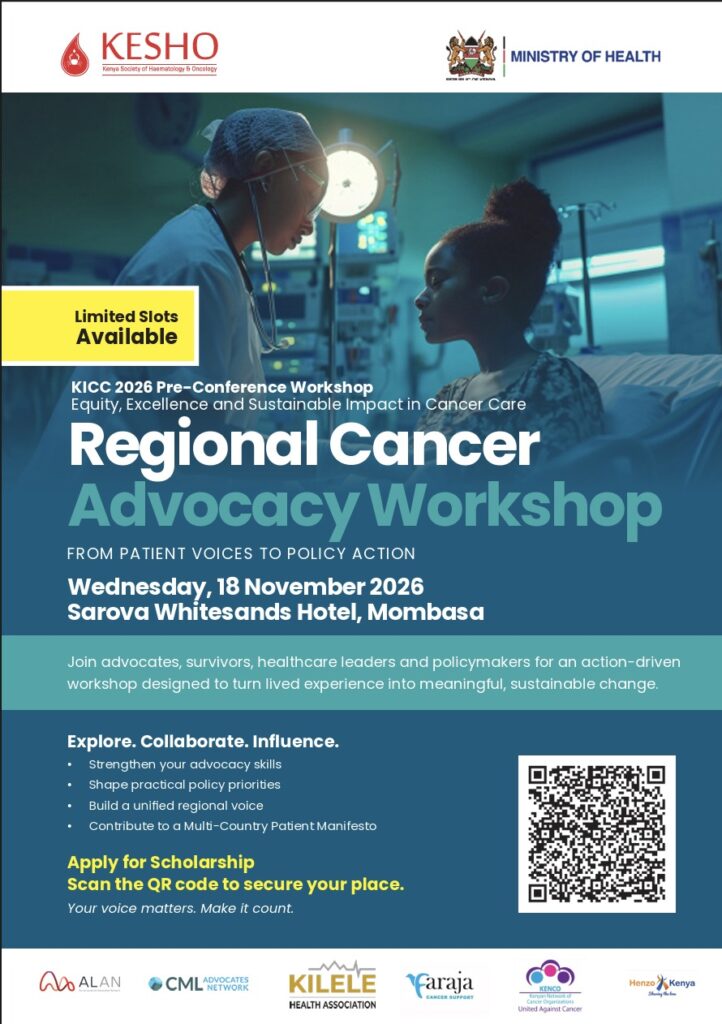
Workshop 1: Real World Data for Real World Impact
This interactive workshop is designed for Oncology and Haematology clinicians, researchers, data scientists, patient advocates, program leaders, policymakers and early-career investigators who are committed to transforming routine clinical information into meaningful impact. Grounded in the realities of low- and middle-income country (LMIC) practice, the program focuses on converting everyday patient data into evidence that strengthens care delivery, research output and health policy.
Participants will explore practical, ethical and strategic approaches to data use, moving from fragmented records to actionable insight.
Key Learning Modules:
- Translating clinical data into research priorities and policy influence
- Extracting value from incomplete or routine datasets
- Designing efficient, sustainable cancer registries
- Data governance, ownership, consent and equitable collaboration
- Strategic publishing and amplifying LMIC oncology research globally
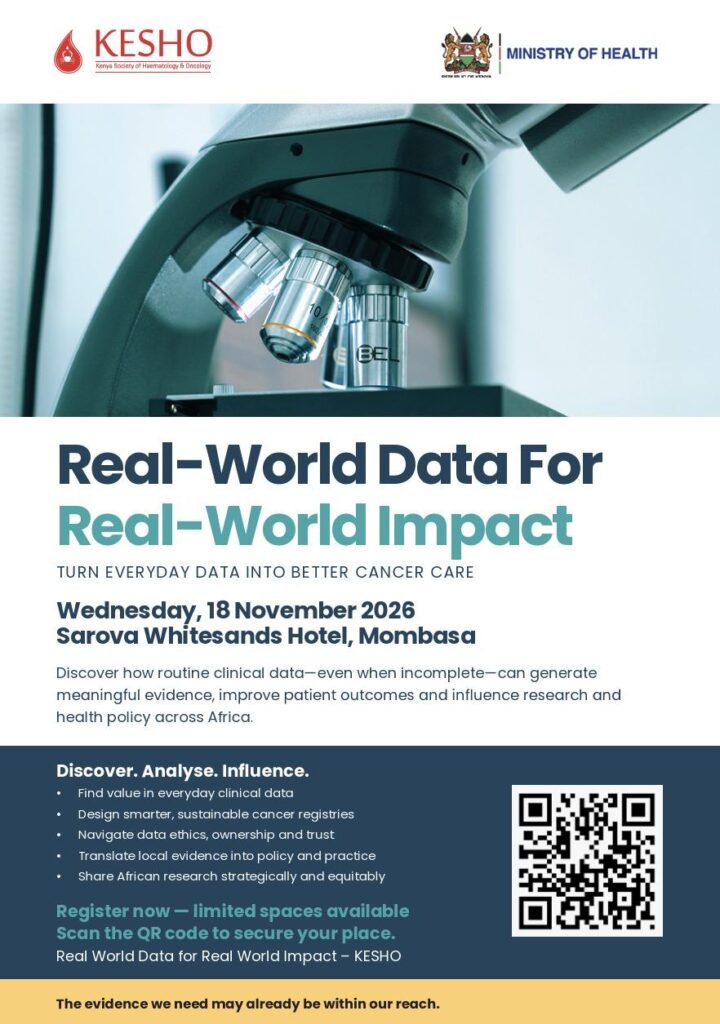
Workshop 2: Career Development and Leadership
Designed for Oncology and Haematology professionals across all career stages, from trainees to senior faculty, this highly interactive workshop equips participants with practical tools to lead with clarity, resilience and ethical conviction. The program emphasizes identity-driven leadership, intentional mentorship and sustainable career planning within complex healthcare systems. Using real-world oncology scenarios, small-group engagement and peer coaching, participants will develop strategies to navigate institutional challenges while building cross-generational networks.
Key Learning Modules:
- Defining leadership beyond titles: influence, values and systems thinking
- Mentorship versus sponsorship: building intentional career networks
- Creating a five-year strategic career blueprint
- Managing difficult conversations and ethical dilemmas
- Leading systems change and strengthening oncology capacity in resource-constrained settings
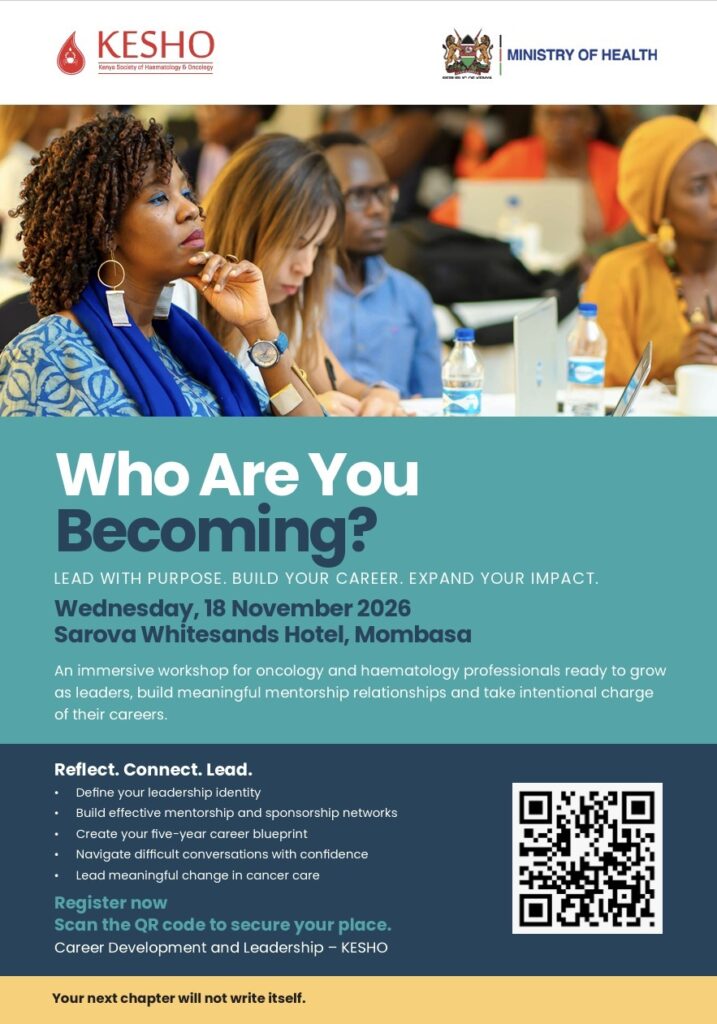
Workshop 3: Radiation Oncology
This practical, case-based workshop is tailored for radiation oncology trainees, consultants (medical, surgical and radiation), oncology nurses, pharmacists, medical physicists, program managers, researchers and procurement professionals. It addresses the clinical, operational and systems-level realities of delivering safe and effective radiotherapy in resource-limited environments. Participants will engage in hands-on learning, quality improvement exercises and strategic planning sessions aimed at strengthening radiotherapy services across Africa and comparable settings.
Key Learning Modules:
- The current landscape of radiotherapy access and infrastructure challenges
- Applying international treatment guidelines in resource-limited settings
- Practical breast cancer contouring and organ-at-risk protection
- Building and equipping sustainable cancer centres
- Quality assurance models and reducing treatment interruptions
- Designing realistic quality improvement initiatives
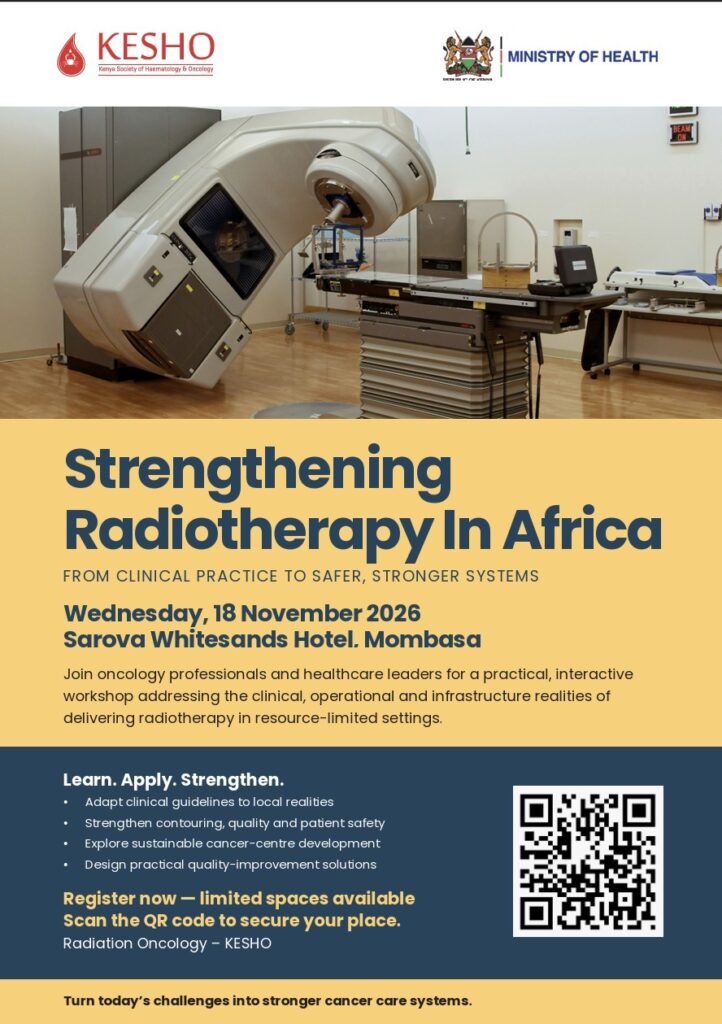
Workshop 4: Advocacy Workshop
This full-day, action-oriented workshop brings together patient advocates, survivors, caregivers, civil society organizations, regional advocacy networks, clinicians and policymakers to transform lived experiences into concrete policy action. Through policy dialogue, collaborative solution labs and practical advocacy training, participants will identify priority barriers in cancer care, develop coordinated policy recommendations and strengthen their ability to engage policymakers, the media and communities. The workshop will culminate in the development of a Multi-Country Patient Manifesto outlining shared commitments for accountability, equitable access and sustainable cancer care across the region.
Key Learning Modules:
Limited Sponsorship Opportunities
- Identifying gaps in national cancer policies, resource allocation and access to care
- Developing systemic solutions across policy, decentralization, financial protection and community mobilization
- Translating patient experiences into clear, evidence-based policy recommendations
- Strengthening advocacy messaging for policymakers, the media and grassroots campaigns
- Building a unified regional advocacy voice through the Multi-Country Patient Manifesto
- Establishing commitments for accountability and tracking policy implementation